
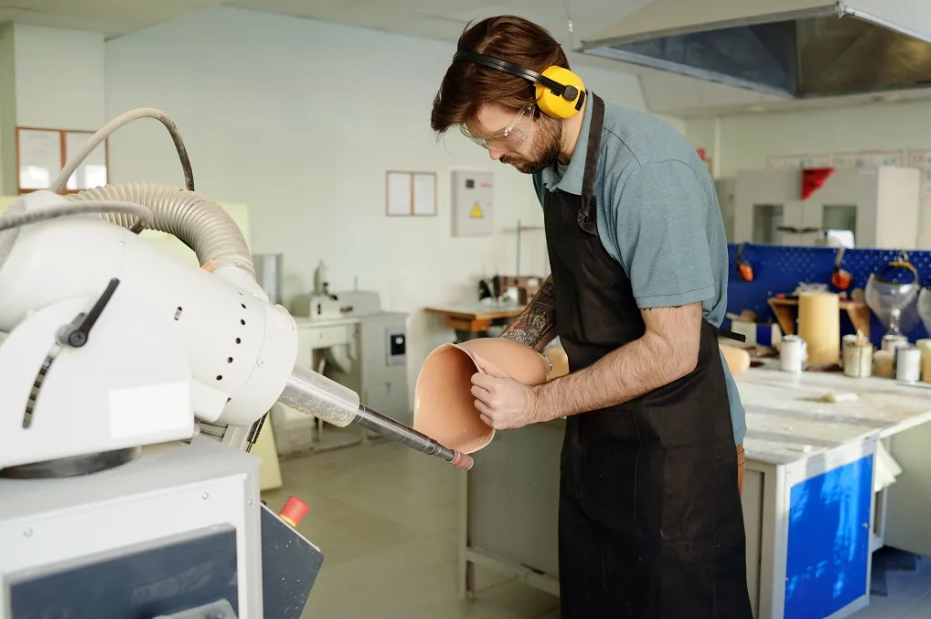
The Story of
How it’s Done
A prosthesis fitting is the process of customizing and adjusting a prosthetic device to meet the specific needs and mobility requirements of an individual who has lost a limb or was born with a limb difference. This process ensures that the prosthetic device fits securely and allows the person to perform daily activities, such as walking or opening a door.
Prosthetic Fitting Steps
Here is a complete explanation to how prosthetics are measured, made, and fit to each user.
1. Evaluation
The process where the prosthetist assesses the amputee’s physical condition, limb measurements, and mobility goals to determine the most suitable prosthetic solution. This step ensures personalized care and effective device functionality.
Measurement devices: transtibial length caliper, GPM anthropometer, universal anterior-posterior–medial-lateral caliper, VAPC caliper, standard tape, circumferential tape
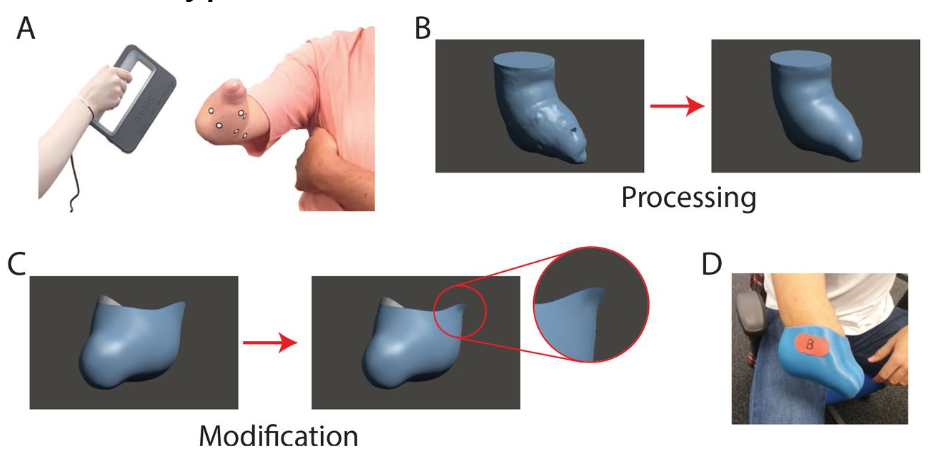
3. Socket Casting
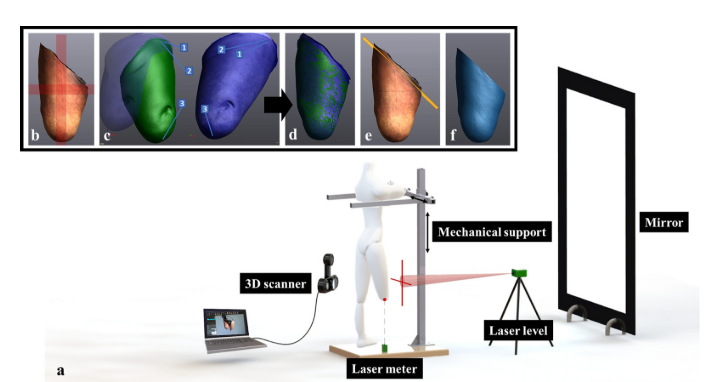
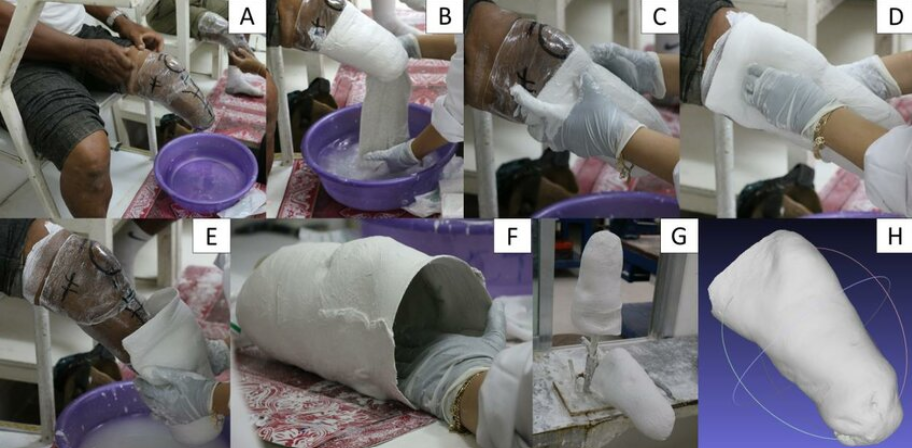
This involves the prosthetist taking a cast of the limb. There are different techniques for casting a limb, including using hard-wrapping that’s normally used when creating casts for broken bones, or more advanced techniques, like 3D scanning. Using the cast, the prosthetist designs and modifies the socket to ensure it fits the residual limb comfortably while providing optimal support and control for the prosthetic.
5. Alignment/Delivery
Once the socket is done, the prosthetic components are assembled and aligned to achieve proper weight distribution, gait mechanics, and comfort, and the final device is delivered to the user for use.
2. Liner Fitting
The liner is custom-fitted to the residual limb to provide comfort, protection, and a secure interface between the skin and prosthetic socket. There are different types of liners for different users, so it is important to find the right one for you.
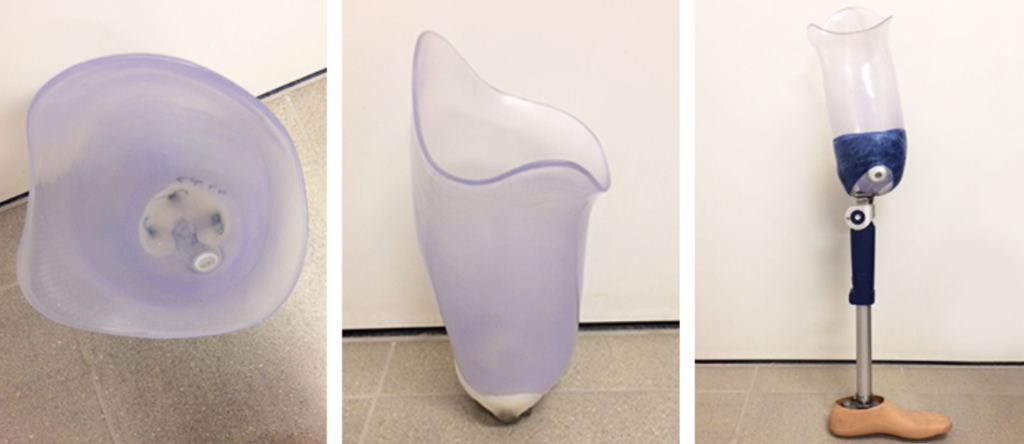
4. Test Socket Fitting
A transparent or adjustable test socket is fitted to the limb to evaluate and refine comfort, alignment, and functionality before fabricating the final prosthetic socket.
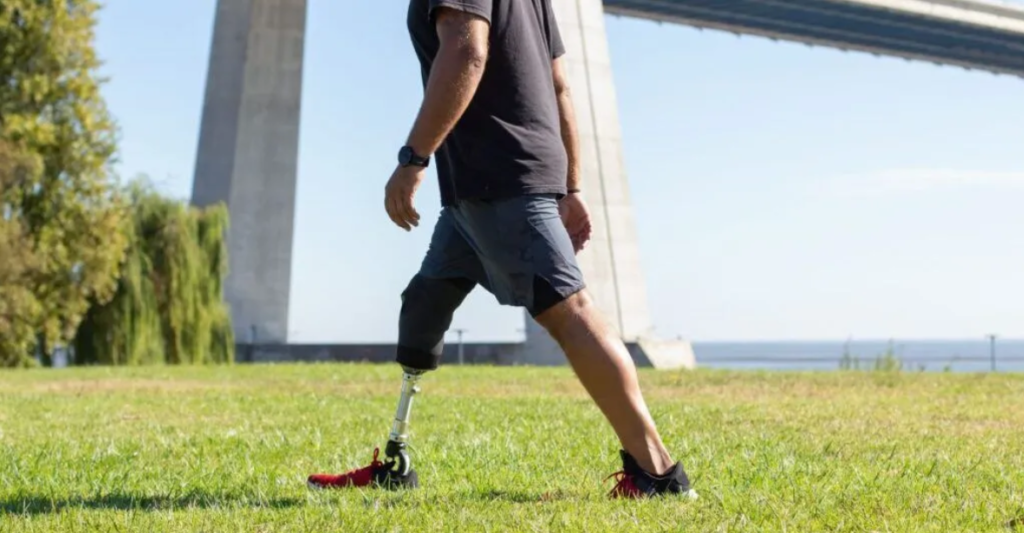
6. Real World Testing
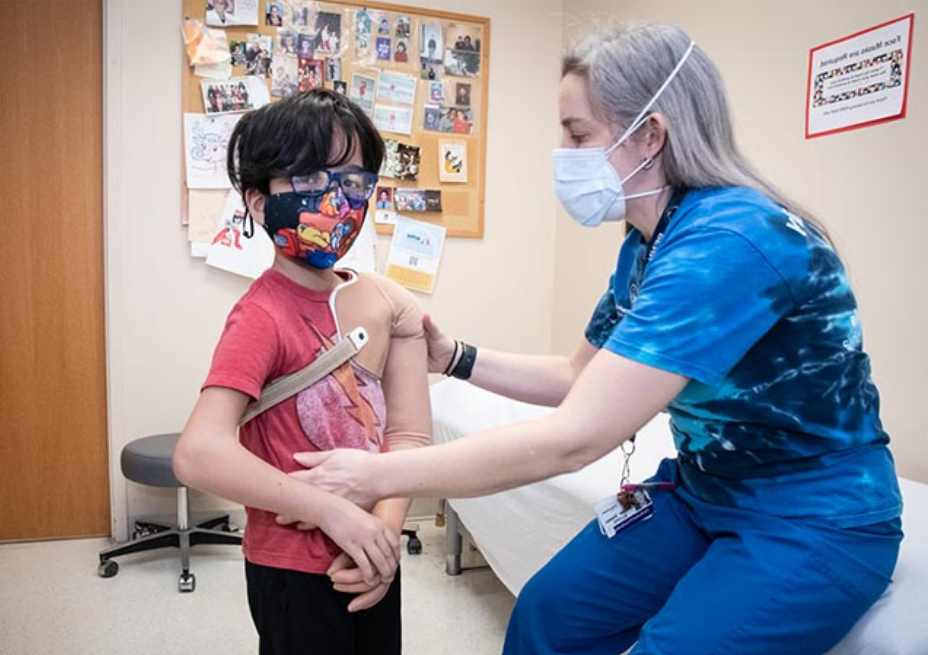
The user evaluates the prosthetic in daily activities to ensure its comfort, durability, and practicality in real-life scenarios, with adjustments made as needed.