Prosthetics 101

This section is your comprehensive guide to understanding prosthetics—what they are, how they work, and why they’re so vital to improving lives. Prosthetics are much more than tools; they’re lifelines that restore independence, functionality, and confidence.

Here, we’ll explore the types of prosthetics available, their unique functions, and how cutting-edge technology is revolutionizing this field. From the basics of lower and upper limb prosthetics to advanced microprocessor and myoelectric devices, this section provides you with the knowledge you need to appreciate and advocate for accessible prosthetic care.
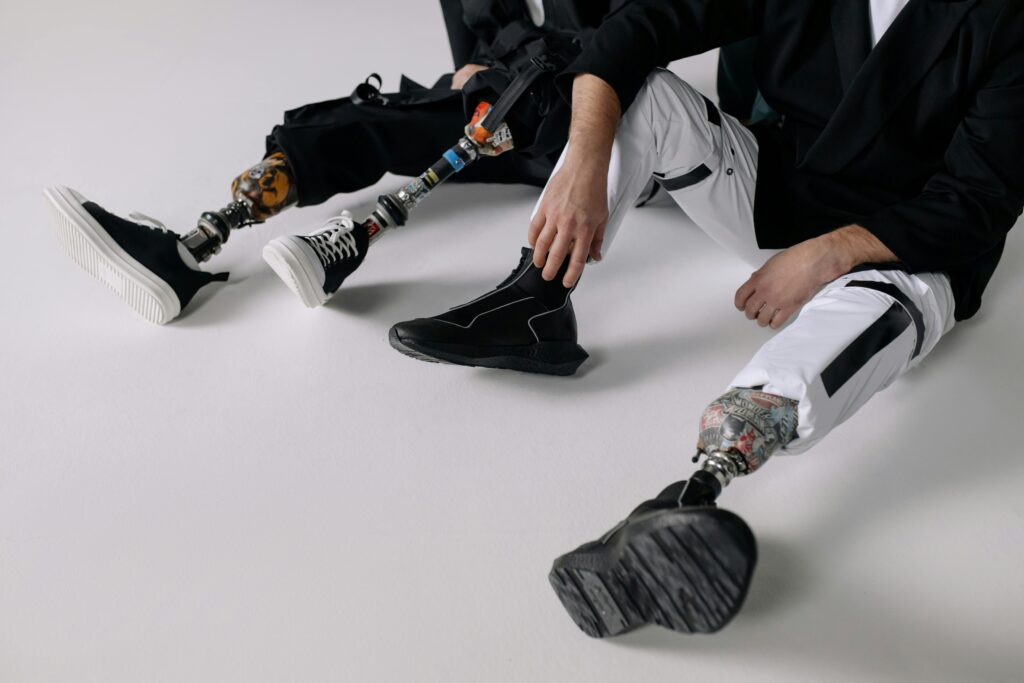
Stylish individuals showcasing prosthetic legs in a modern indoor setting.
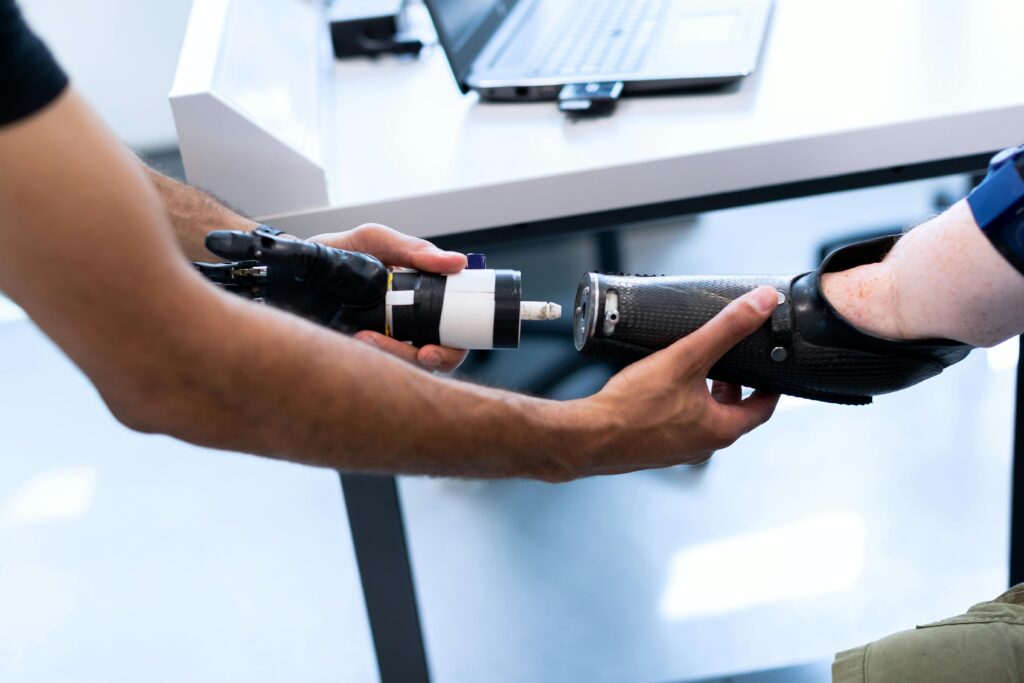
Person helping another attach a prosthetic arm, showcasing technology and support.

A look into

The Types of Prosthetics

Shown below are comprehensive lessons about each prosthetic variant and specialty, followed by an overview of the accessibility challenges individuals face today.

Introduction to Lower Limb Prosthetics

Lower limb prosthesis replaces parts of the leg and foot, enabling mobility, balance, and support for individuals with amputations. The primary goal is to restore functionality and quality of life, tailored to the user’s unique needs and lifestyle.

The use of lower limb prostheses dates back thousands of years. The ancient Egyptians crafted wooden prosthesis toes, demonstrating the importance of mobility even in early societies. By the 20th century, the development of lightweight materials like aluminum and carbon fiber revolutionized lower limb prostheses, making them more functional and comfortable.

Types

For Lower Limb Prosthetics

01

Transtibial Prostheses
(Below the Knee)

These devices retain the knee joint and are used for individuals with lower leg amputations. They often include:

Socket: A custom-fit component that securely holds the residual limb.
Pylon: A structural support system made from lightweight metals or composites.
Prosthesis Foot: Options range from basic designs for walking to dynamic, energy-storing feet for athletics.

02

Transfemoral Prosthesis (Above the Knee)

These include an artificial knee joint to replace the leg above the knee. Advanced microprocessor-controlled knees are common, providing stability on uneven terrain and adaptive responses to walking speeds.

03

Foot Prostheses

Often used for partial-foot amputations, these devices restore balance and mobility while fitting comfortably in shoes.

Applications

  • Daily activities like walking, climbing stairs, or standing for extended periods.
  • Specialized sports prostheses enable running, hiking, and other physical activities.
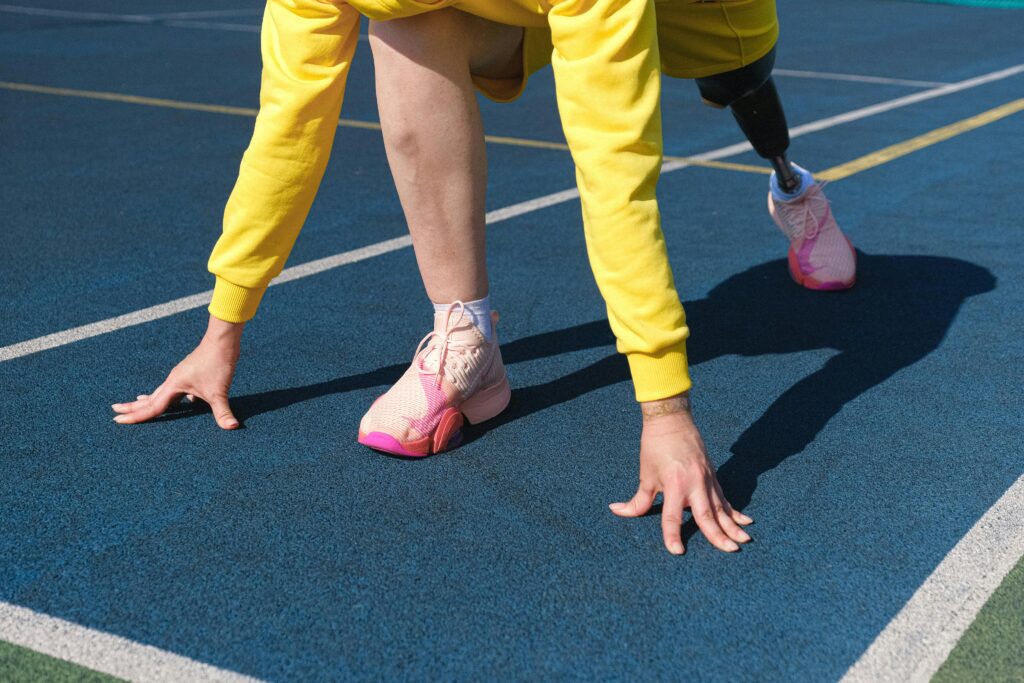
Female athlete with a prosthetic leg preparing to run on an outdoor track.

Examples

Paralympic athletes have demonstrated the potential of advanced lower limb prostheses. Notable innovations include the “blade” design, used by sprinters, which stores and releases energy efficiently.

Introduction to Upper Limb Prosthetics

Upper limb prostheses replace parts of the arm, hand, or fingers, restoring essential functions like gripping, lifting, and fine motor skills. They play a crucial role in enhancing independence and confidence.

Early examples of upper limb prostheses include hooks and wooden hands from the medieval period. Over time, prostheses evolved to include body-powered systems in the 19th century and electric-powered options in the 20th century.

Types

For Lower Limb Prosthetics

01

Transradial Prosthesis
(Below the Elbow)

Replace the forearm and hand. Common options include:

Body-Powered Prosthesis: Operated by cables and harnesses controlled by shoulder movements. They are durable and reliable but offer limited dexterity.
Myoelectric Prosthesis: Use electrical signals from residual muscles to control movements, offering a more natural and precise experience.

02

Transhumeral Prosthesis (Above the Elbow)

Include an artificial elbow joint to replace the entire arm. Advanced designs combine body-powered and myoelectric features.

03

Hand Prostheses

Functional Hands: Capable of complex grips like pinching, holding, or typing.
Cosmetic Hands: Focus primarily on aesthetic appearance and are often lightweight.

Applications

  • Tasks like eating, typing, and lifting.
  • Assisting with hobbies and specialized professions.

Cheerful woman with pink and blue hair wearing a prosthetic arm and yellow sweater indoors.

Examples

Today’s myoelectric hands can perform multiple grip patterns, such as spherical or hook grips, and even feature touch-sensitive fingertips.

Microprocessor and Myoelectric Devices

These devices represent the cutting-edge of prosthesis technology, combining advanced electronics and mechanics to provide users with unprecedented control and comfort.

Types

Deep Dives into Both Sides

01

Microprocessor-Controlled Prosthesis

  • Use sensors to adapt to changes in movement and terrain in real-time.
  • Often found in knee prostheses, these devices adjust joint stiffness during activities like walking, running, or descending stairs.
  • A major advantage of this prosthesis is to mimic natural walking patterns
  • Example: The Ottobock C-Leg is a well-known microprocessor knee that offers stability and energy efficiency.

02

Myoelectric Prostheses

  • Operate using electrical signals generated by residual muscles.
  • Frequently used for upper limb prostheses, allowing for intuitive and precise movements.
  • Features: Multi-grip functionality, wrist rotation, and integration with smartphone apps for customization.

Applications

  • Everyday tasks, such as holding objects, typing, or engaging in hobbies.
  • Enhanced mobility for individuals with complex amputations.
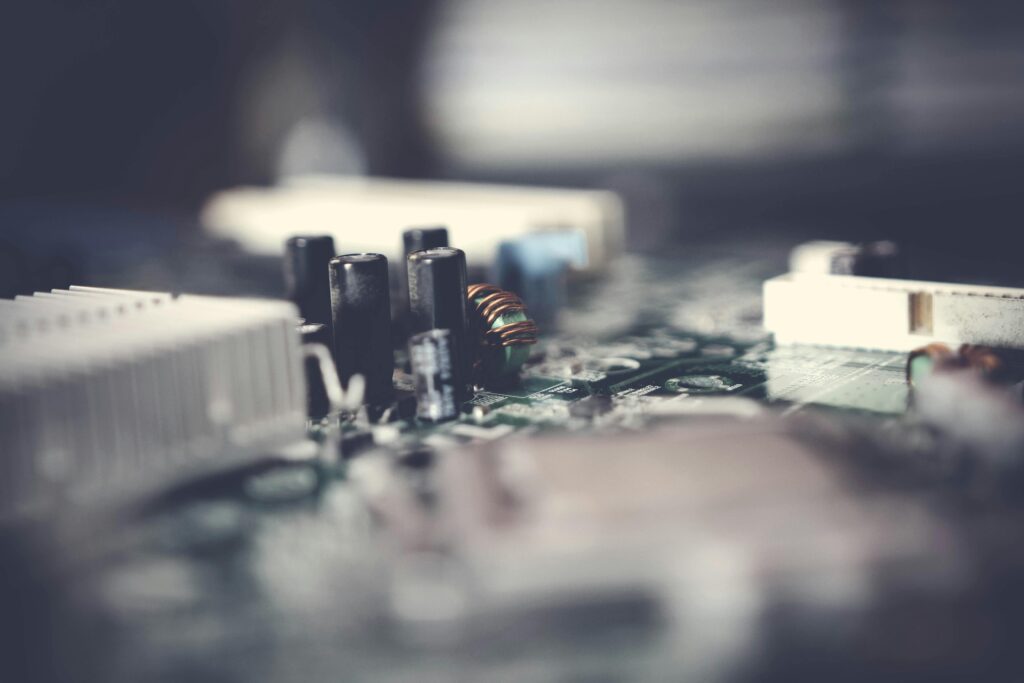
Detailed view of electronic circuit components with a soft focus effect.

Examples

Some devices now include AI learning, allowing prostheses to adapt to a user’s unique movement patterns over time. Additionally, 3D-printed myoelectric devices are making these advanced prostheses more affordable and accessible.

Accessibility in Prosthetics

Accessibility in prostheses encompasses affordability, availability, and inclusivity. It’s not just about making prostheses available but ensuring they cater to the diverse needs of users across different socioeconomic backgrounds, physical conditions, and geographies.

Affordability and Financial Support

High-quality prostheses can be prohibitively expensive, with advanced devices costing tens of thousands of dollars. Efforts to make prostheses more affordable include:

01

Nonprofits and Grants

Organizations like the Amputee Coalition and the Challenged Athletes Foundation provide financial aid.

02

Insurance Support

Many prostheses are partially covered by insurance policies, but navigating coverage can be challenging. The page can feature tips and step-by-step guides to help users understand their options.

03

Crowdfunding

Platforms like GoFundMe have been instrumental in raising funds for prostheses.

Emerging Technologies:

3D Printing: By reducing production costs, 3D printing is democratizing access to customized prostheses.

Open-Source Prostheses: Platforms like e-NABLE share designs freely, enabling people to build their own prostheses at minimal cost.
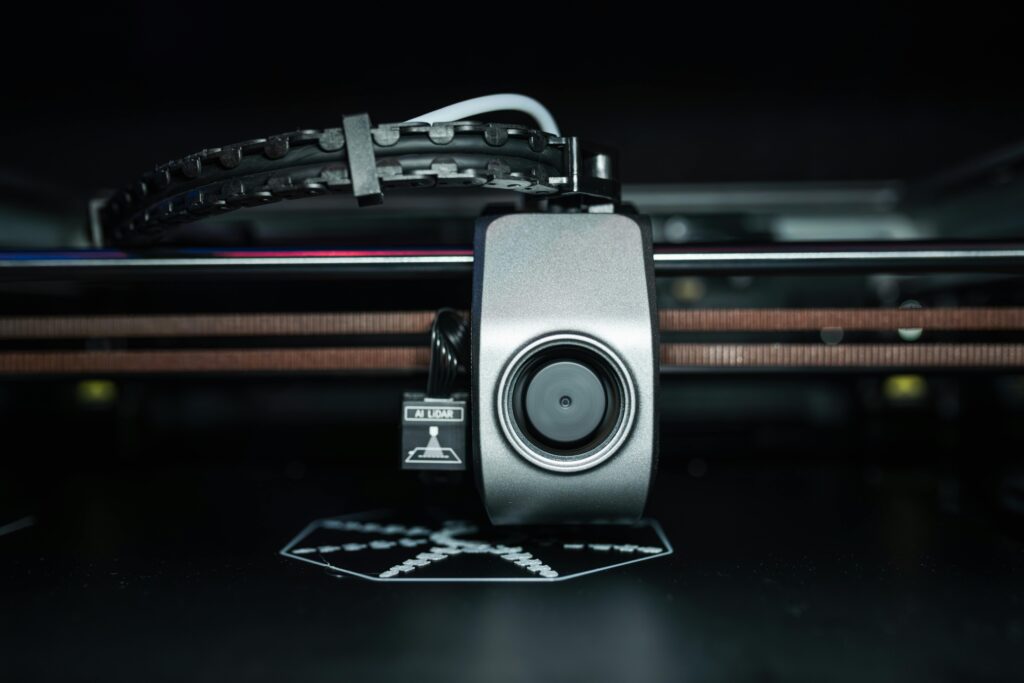
Detailed close-up of a 3D printer extrusion head in focus, showcasing modern technology.

Cultural and Geographic Accessibility

In rural areas or developing countries, access to prosthesis is limited due to a lack of resources or infrastructure. Efforts to address this include:

01

Using Updated Transport

Mobile clinics and prosthesis delivery programs.

02

Adding More Experts

Training local technicians to manufacture and fit prostheses.

03

Cross Collaboration

Partnerships between international nonprofits and local organizations.

Breaking Barriers Through Technology

Smartphone Integration

Devices like myoelectric hands now pair with apps, allowing users to customize settings conveniently.

AI-Enhanced Devices

Artificial intelligence enables prostheses to adapt dynamically to user movements and learn over time.

Virtual Fitting Services

Telemedicine allows users to consult specialists remotely, streamlining the prostheses fitting process.

Empowering Communities

  • Peer support groups and social media communities like “LimbKind” foster connections among prosthesis users.
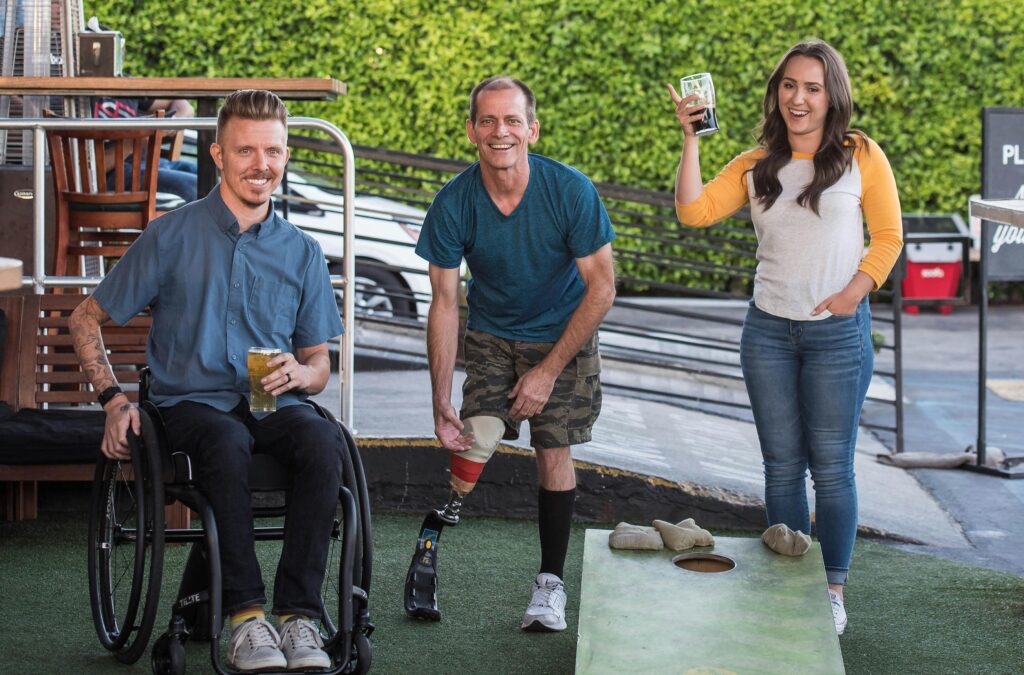
Three friends playing cornhole outdoors, enjoying drinks and smiling.

Breaking Stigmas

Representation in media and sports helps normalize prostheses and inspire others. For example, Paralympic athletes like Blake Leeper challenge societal perceptions and show what’s possible.