
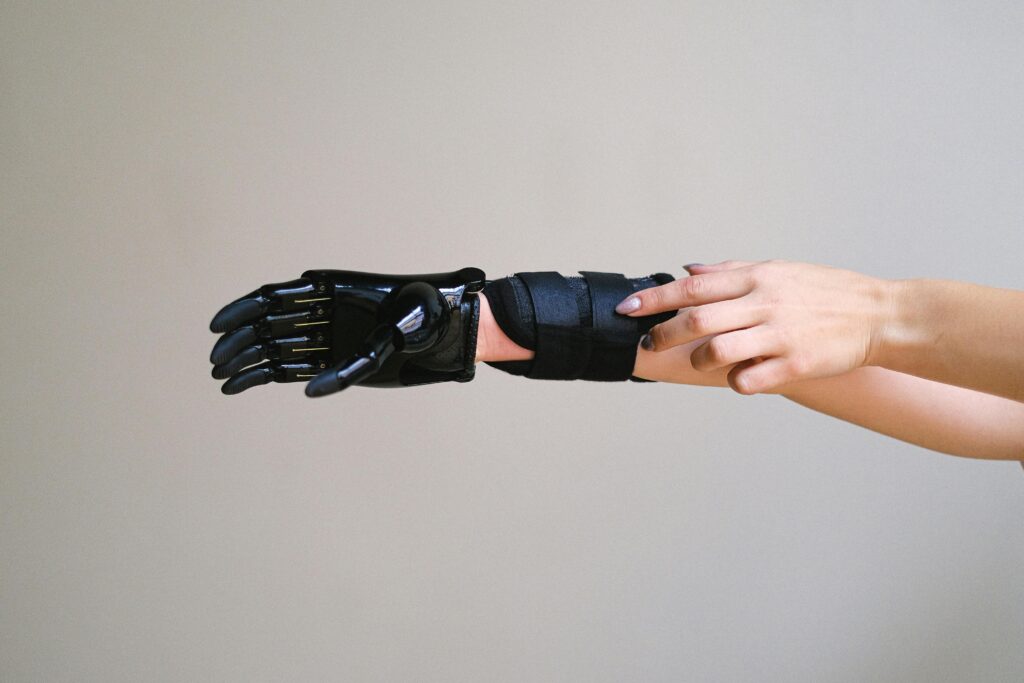
Maintaining your prosthesis is critical for ensuring its longevity, functionality, and comfort. Whether you’re new to using a prosthesis or an experienced user, understanding how to care for your device can enhance your daily life and prevent unnecessary issues. This section provides comprehensive guidance on cleaning, repairs, seasonal considerations, and self-assessments to keep your prosthesis in optimal condition.

Recommendations
Build a Maintenance Routine
Create a weekly or monthly schedule to stay on top of maintenance. Include tasks like deep cleaning, lubricant checks for mechanical joints, and professional evaluations.
Prosthetist Visits
Schedule regular check-ins with your prosthetist. They can help you make adjustments, identify emerging issues, and ensure your prosthesis is meeting your needs.