Adjusting for Comfort & Mobility

Empowering the User

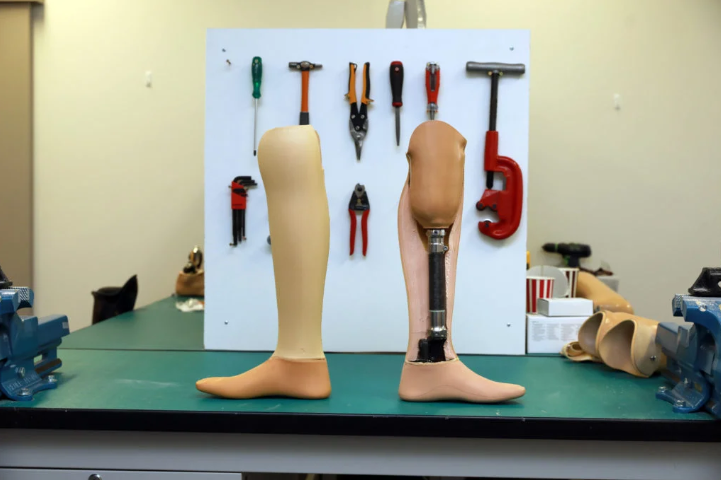
Achieving a comfortable fit and maximizing mobility with a prosthesis involves customization, patience, and self-advocacy. Below are detailed insights into key aspects of this process, including breaking in the prosthesis, maintaining it, advocating for yourself, and experimenting with additional features or adjustments.

Steps to

Breaking It In

01

Start Gradually

A new prosthesis can feel strange or uncomfortable at first. Begin by wearing it for short periods and gradually increase the duration each day. This allows your body to adapt to the prosthetic fit and reduces the risk of sores or irritation.

02

Listen to Your Body

Pay close attention to areas where you feel discomfort. Early soreness is normal, but persistent pain is not. If any spot feels like it’s rubbing or causing pressure, inform your prosthetist for adjustments.

03

Practice Makes Perfect

Whether it’s walking, sitting, or performing specific tasks, practice movements and use your prosthetic to get accustomed to how the prosthesis interacts with your body.

Importance of Maintenance

Maintenance is key to keeping a prosthetic in ideal condition. Here are the top ways to make sure you get the most out of your prosthetics.

Scientist in lab coat concentrating on plant analysis with microscope.

Inspect Daily

Check the prosthesis for signs of wear and tear, such as cracks, loose components, or worn-out liners and straps. Identifying issues early prevents bigger problems down the line!

Clean Regularly

Skin irritation can be caused by sweat and bacteria buildup. Clean the socket, liner, and other parts of the prosthesis according to the manufacturer’s guidelines. 

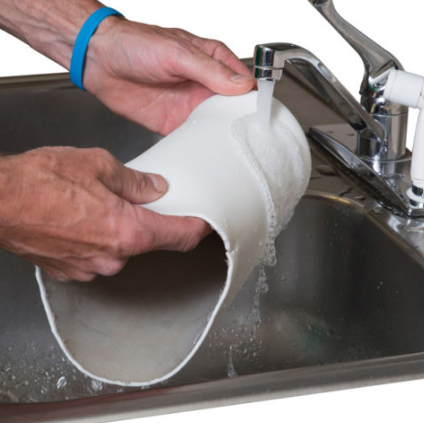
Cleaning Guide
  • Turn the liner inside-out so that the silicone that is typically on the inside is outside. 
  • Thoroughly wash the silicone side with a mild (pH neutral) soap or with a special liner cleaner. 
  • Rinse off the soap entirely so there is no residue. 
  • Dry the liner inside and out with a towel.
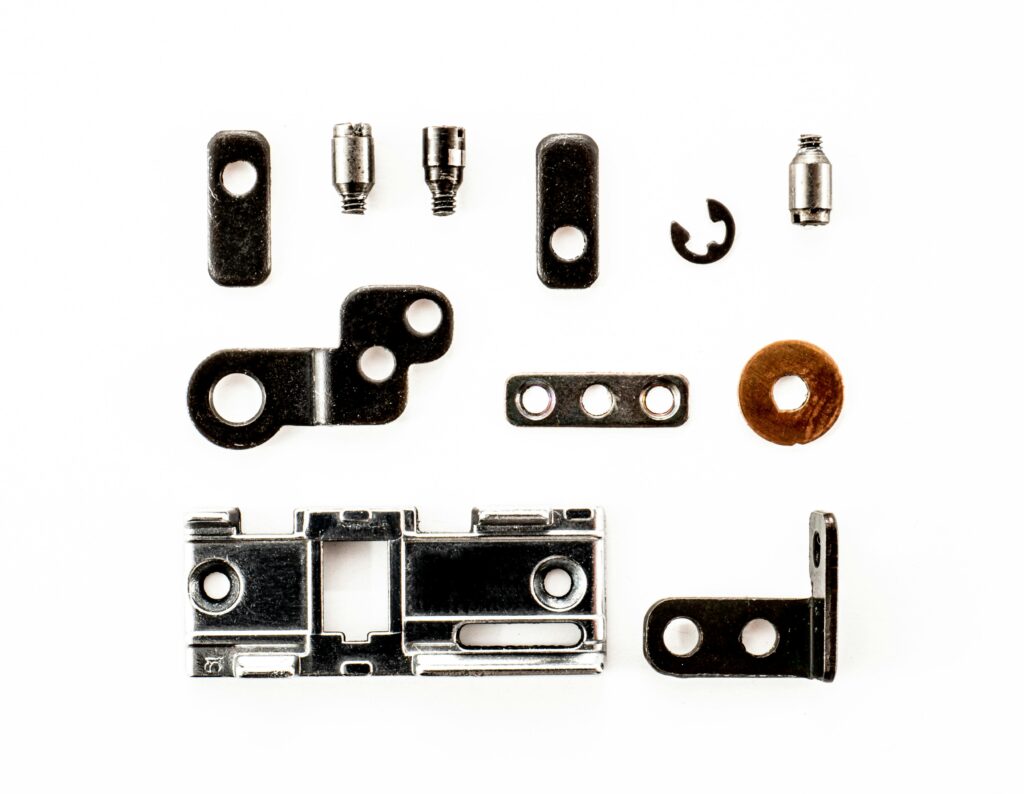
A top view of various metal fasteners arranged on a white background.

Replace Worn Components

Parts like liners, suspension systems, or mechanical joints may degrade over time. Regularly replace these components to maintain functionality and comfort.

Where to Get Parts
A medical practitioner checks a patient's blood pressure in a clinical setting, showcasing healthcare service.

Schedule Tune-Ups

Visit your prosthetist for routine check-ups to ensure the prosthesis is properly aligned and adjusted as your body changes, especially if you experience weight fluctuations or changes in limb volume.

Advocating for Yourself

Providers won’t know how to help without your input—self-advocacy is the most powerful tool when it comes to getting the treatment you need.

Close-up of a patient consulting a doctor with a clipboard in a medical setting.

Communicate Your Needs

If something isn’t working, speak up! Whether it’s discomfort, difficulty with mobility, or dissatisfaction with aesthetics, share your concerns with your prosthetist.

Don’t Be Afraid To Be Persistent

Adjustments and modifications may take time. Advocate for multiple fittings and revisions if necessary until you achieve the right fit.

Seek a Second Opinion

If your prosthetist isn’t addressing your concerns effectively, don’t hesitate to consult another professional. You deserve a prosthesis that meets your needs.

Learn About Other Options

Stay informed about the latest prosthetic technology, materials, and features. This empowers you to ask for specific solutions that could improve your experience. 

further details on

Customization

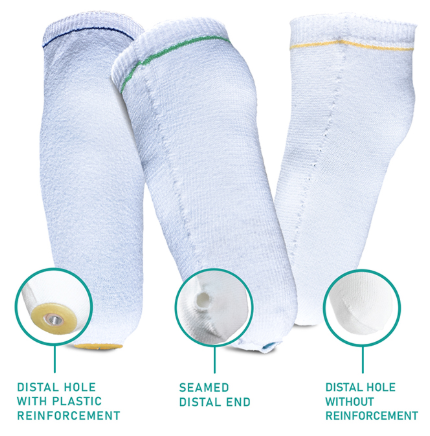
Experiment with Cushioning: Adding extra cushioning, such as gel liners or padded socks, can alleviate pressure points and improve overall comfort. However, be careful not to over-pad, as this can affect the prosthesis’s alignment.

Try Different Suspension Systems: Suspension systems (e.g., suction, pin-lock, vacuum) play a key role in how the prosthesis stays on. If one system feels uncomfortable or unstable, ask about trying others to find the best option for your lifestyle and limb shape.

Leg or Arm Covers: Realistic prosthetic covers, such as silicone skins, not only improve aesthetics but can also provide an additional layer of protection and reduce wear on the device.