
Proper cleaning and maintenance of a prosthesis are essential for multiple reasons: they extend the life of the device, ensure optimal functionality, and maintain user hygiene and comfort. Neglecting daily care can lead to skin irritation, reduced device efficiency, and costly repairs.
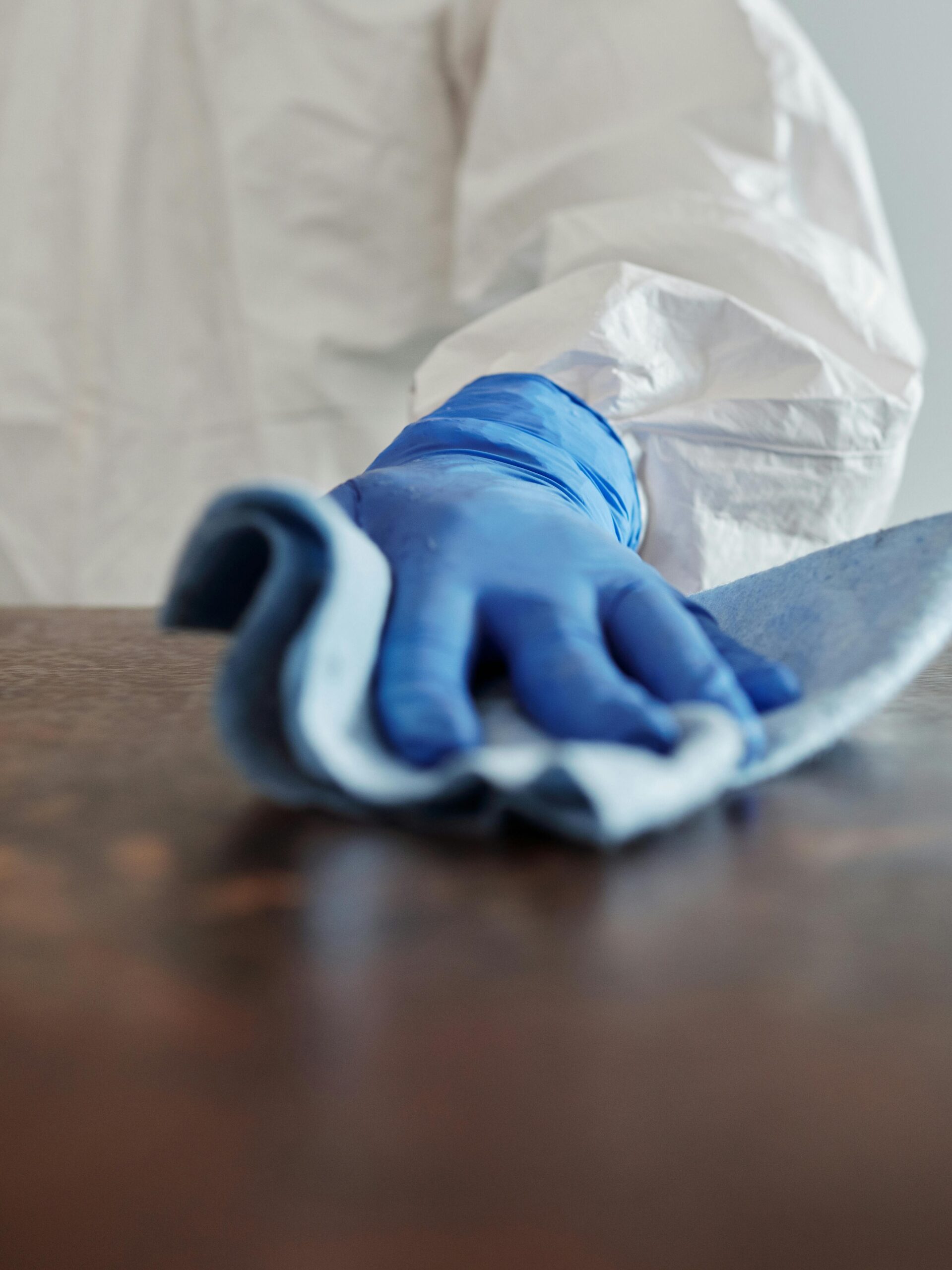
Daily Cleaning Routine
- 1. Inspect Before Cleaning:
- Remove the prosthesis daily and visually inspect it for cracks, loose components, or discoloration.
- Examine liners and sleeves for signs of wear, such as thinning or tearing.
- 2. Clean the Socket:
- Use a soft cloth and a solution of warm water with mild, fragrance-free soap. Harsh chemicals should be avoided as they can degrade materials.
- Dry the socket completely using a lint-free towel to avoid moisture buildup.
- 3. Liner and Sleeve Care:
- Rinse gel liners with mild soap and lukewarm water after each use. Allow them to air dry overnight.
- Rotate between multiple liners if possible to prolong their life.
- 4. Metal and Mechanical Components:
- Use a damp cloth to wipe down external surfaces. If your prosthesis includes mechanical or electronic parts, follow the manufacturer’s care instructions.
- Check for rust or dirt in mechanical joints and remove with a small, soft-bristle brush if needed.
- 5. Skin Check:
- Examine your residual limb for redness, irritation, or sores after removing the prosthesis. Clean your skin with mild soap and apply a moisturizer designed for sensitive skin.
- Video Tutorials:
- Downloadable PDFs:
- Daily Maintenance Checklist for Prosthetic Users
- Comprehensive Guide to Prosthetic Care